
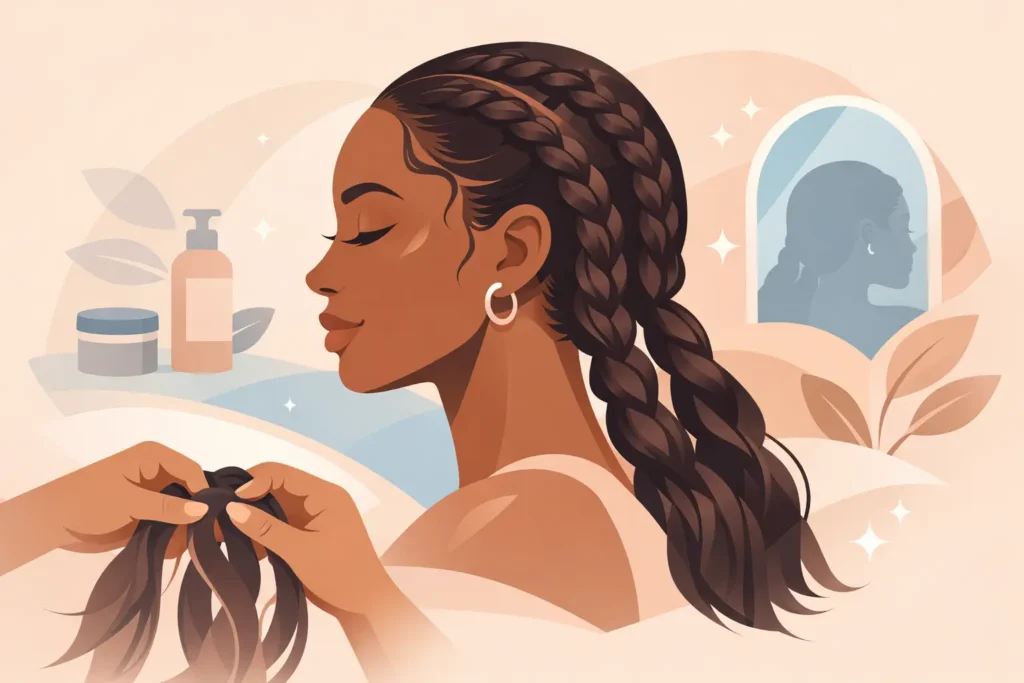
That fresh-braid feeling should be exciting, not followed by a pounding headache, sore edges, or the urge to take your style down two days later. Beautiful low tension braid results prove you do not have to choose between a polished, long-lasting look and a scalp that feels respected. The goal is simple: neat braids, clean parts, movement, and confidence from the moment you leave the chair.
For clients who love knotless braids, boho looks, twists, Fulani-inspired styles, or statement curls, proper tension is one of the details that separates a beautiful install from a stressful one. Your braids can be secure without being painfully tight. In fact, comfort is often a sign that the installation was done with care.
What Low Tension Braid Results Should Look Like
Low tension does not mean loose, unfinished, or short-lived. It means the braid is installed with controlled, even pressure that avoids unnecessary pulling at the root. Your stylist considers the health of your edges, the density of your natural hair, the size and length of the style, and how much added hair your scalp can comfortably support.
Visually, the result should still look crisp. Parts should be clean and balanced, the base of each braid should sit neatly, and the style should have a natural flexibility rather than looking stiff or overly stretched. Whether you select medium knotless braids with human hair curls or a sleek set of Senegalese twists, the finish can be luxurious without feeling aggressive on your scalp.
The first few hours are a useful check-in. A newly installed style may feel unfamiliar because your hair has been sectioned and braided, but it should not hurt to smile, sleep, turn your head, or gently touch your scalp. Pain is not proof that braids will last. It is a signal worth taking seriously.
Why Proper Tension Changes the Entire Experience
A braid style begins at the root, so that is where tension matters most. When hair is pulled too tightly, repeated pressure can irritate the scalp and put fragile areas, especially the hairline and temples, under strain. Over time, consistently tight installations may contribute to breakage and thinning around the edges.
A low tension technique prioritizes a secure foundation without over-gripping your natural hair. That creates a more comfortable wear experience and gives your hair a better chance to rest while it is tucked away. Protective styling is only truly protective when the installation, maintenance, and removal all respect your natural hair.
There is also a confidence factor. You should be able to wear your braids to work, class, brunch, vacation, or a special event without quietly counting down until you can take them out. A great style lets you show up and slay, not spend the day managing discomfort.
The Trade-Off: Secure Does Not Mean Tight
Clients sometimes worry that gentler tension will make their braids slip or unravel faster. That can happen if the technique, parting, hair prep, or braid size is not matched to the style. But tension alone is not what makes an install last.
Longevity comes from precise sectioning, consistent braid pattern, appropriate hair extension distribution, and a style designed for your texture and lifestyle. A skilled braider knows when a smaller part needs a lighter approach, when fine edges should not carry extra weight, and when a more manageable length will serve your hair better than ultra-long braids.
It depends on the look you want, too. Jumbo braids, for example, use larger sections and can feel heavier if they are made extremely long. Small braids create a detailed, versatile finish, but they require thoughtful sizing so the scalp is not overloaded. Bohemian styles need careful curl placement and maintenance, while classic knotless braids may be the better choice for a client who wants a lower-maintenance everyday look.
The best result is not about copying the exact braid map from someone else’s photo. It is about tailoring the inspiration to your own hairline, density, comfort level, and desired finish.
How to Ask for Low Tension Braids at Your Appointment
Speak up about your scalp before the appointment starts. If you have a sensitive scalp, tender edges, a history of headaches after braiding, thinning areas, or a recent color or chemical service, say so during your consultation. Those details help your stylist make smart choices about part size, length, hair quantity, and installation method.
Bring your inspiration photo, but be open to professional adjustments. You may love extra-long small knotless braids, for instance, while your stylist recommends a slightly larger size or shorter length to reduce weight. That is not a compromise on beauty. It is customization that protects the look and your hair.
During the service, communicate early rather than waiting until every section is complete. If a braid feels sharp, pinching, or unusually painful, mention it right away. A respectful braiding experience makes room for that conversation. Your comfort deserves the same attention as your finished photos.
Details That Support a Comfortable Install
A scalp-friendly appointment starts before the first braid is formed. Clean, detangled hair gives the stylist a better foundation and reduces unnecessary tugging. If you are dealing with major buildup, matting, scalp tenderness, or breakage, be honest about it. A customized plan may include a different style, a later appointment date, or extra preparation time.
The added hair matters as well. Extension weight should be balanced from section to section, especially near the perimeter. Premium human hair accents can create soft, elevated boho finishes, but they should be placed intentionally so the style keeps its movement without putting excess strain on the braid base.
Protecting Your Low Tension Braid Results at Home
A comfortable install still needs thoughtful care. Keep your scalp clean enough to avoid buildup, but do not scratch aggressively or drench the braids with heavy products. A light scalp oil or braid-friendly scalp serum may help when your scalp feels dry, depending on your skin sensitivity and product preferences.
At night, cover your braids with a satin or silk scarf, bonnet, or pillowcase. This helps preserve neatness, reduces friction, and protects curly pieces in boho or French curl styles from becoming overly tangled. If your curls need refreshing, use a gentle approach rather than layering product after product until the hair feels heavy.
Pay attention to changes in how the style feels. Mild dryness can be managed with proper moisture, but persistent itching, bumps, burning, or pain should never be ignored. If a few braids are too tight, having them adjusted early can make a major difference. Waiting for discomfort to disappear on its own is rarely the best move.
Do not keep any protective style in longer just because it still looks good from the front. New growth, shedding, buildup, and tangling at the root can make removal harder and increase the risk of breakage. The right removal schedule varies by style, hair type, and upkeep, but healthy hair always matters more than squeezing out one more week.
Low Tension Braid Results Are Still Luxury Results
There is a dated idea that braids must hurt to look fresh. That standard does not belong in a premium braid experience. Precision parting, smooth feed-in technique, balanced extension hair, and personalized styling can give you a clean, camera-ready finish that feels as good as it looks.
At Braids by Blinky, that balance is part of the artistry. From soft bohemian movement to sleek classic braids, the aim is a style that reflects your vision while respecting the hair beneath it. You deserve to leave feeling polished, cared for, and ready to be seen.
Choose the style that makes you feel like yourself, tell your stylist what your scalp needs, and let comfort be part of the beauty standard. The best braids do more than turn heads. They let you wear your crown with ease.