
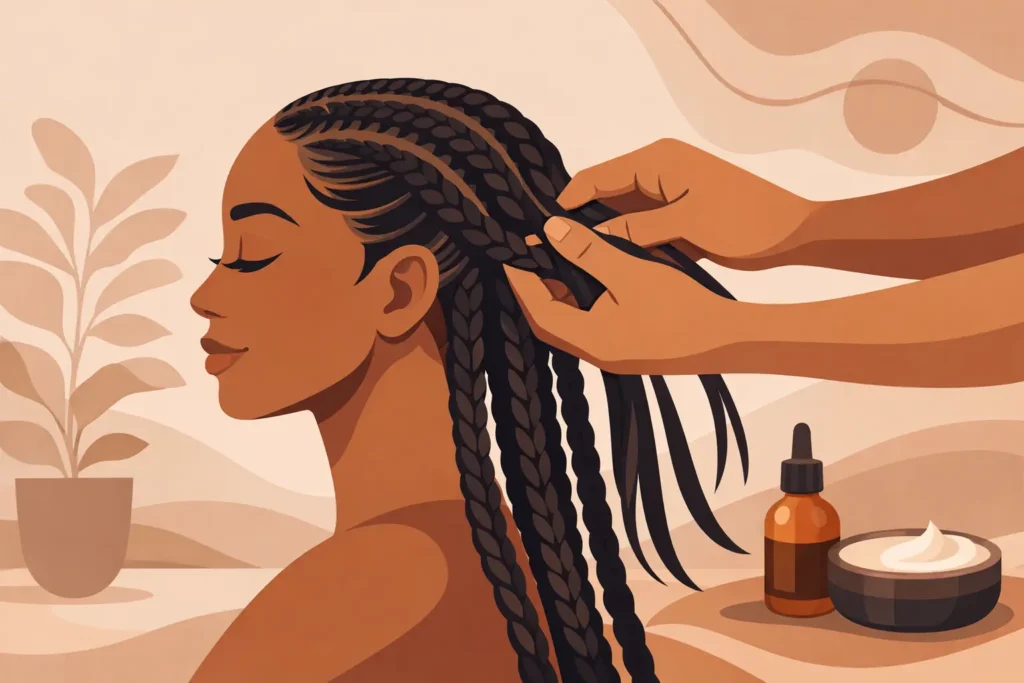
A beautiful protective style should not come with a sore scalp, a tension headache, or edges that need weeks to recover. The best scalp friendly braiding techniques make room for both: a polished, confidence-boosting look and the comfort your natural hair deserves. Whether you love sleek knotless braids, soft bohemian curls, statement Fulani-inspired details, or twists with movement, the installation matters as much as the finished photo.
At Braids by Blinky, the goal is never to make you choose between looking good and feeling good. Proper tension, clean sectioning, and thoughtful customization create a style that lets you show up and slay without counting down the hours until you can take it out.
What Makes Braids Scalp-Friendly?
Scalp comfort begins before the first braid is installed. A scalp-friendly service considers the condition of your hair, the sensitivity of your scalp, the size and length of the style, and how much added hair is being used. It is not simply about braiding loosely. A braid still needs enough structure to stay neat, but it should not pull constantly at the root.
The most common sign of excess tension is pain. If your scalp feels sharply tender during installation, your eyes are watering from tightness, or you notice raised bumps along the hairline afterward, the style is too tight. That discomfort is not the price of a long-lasting look. It can lead to breakage, thinning around the edges, and traction alopecia when it happens repeatedly.
A skilled braider works with the density and strength of your natural hair instead of forcing every section into the same formula. Fine hair, relaxed hair, heat-styled hair, and fragile edges often need smaller amounts of extension hair and a gentler grip. Thicker, denser hair may support a fuller look, but even then, the roots should feel secure rather than strained.
Scalp Friendly Braiding Techniques That Protect Your Hair
Start with clean, hydrated hair and scalp
Protective styles work best when the hair underneath is prepared. A clean scalp removes buildup that can contribute to itching, while hydrated strands are more flexible and less likely to snap during detangling and braiding. Heavy oils and product layers right before an appointment can create slip where it is not needed, so keep preparation simple unless your stylist has given you specific instructions.
If you have active irritation, sores, severe flaking, or a tender scalp from a recent style, give your hair a break before installing new braids. Covering a scalp concern with another style may make it harder to calm down. Your appointment should feel like care, not a cover-up.
Use clean parting that does not overload the roots
Neat parting is more than an aesthetic detail. Even, intentional sections help distribute weight across the head. When a section is too small for the amount of hair added, the root is asked to hold more than it comfortably can. That is when a style may look flawless on day one but start feeling heavy or painful soon after.
Precision parting also helps a style grow out gracefully. The braids have room to move naturally with your hair, reducing unnecessary tugging as you style them, sleep, or pull them into a ponytail. For clients who wear braids often, this detail can make a real difference in edge health over time.
Match braid size to your hairline and density
Tiny braids can be gorgeous, especially when you want a detailed, full look. But smaller is not automatically better for every head of hair. Small braids with too much extension hair can place concentrated tension on delicate sections, particularly around the temples and nape.
A thoughtful install may use a slightly larger size along fragile edges, then create the desired fullness through placement and balance elsewhere. This is one reason personalized consultation matters. The right size for your best friend may not be the right size for your hairline, lifestyle, or preferred maintenance routine.
Choose knotless foundations when softness is the priority
Knotless braids are a favorite for clients who want a more natural-looking base and less immediate tension at the root. Instead of beginning with a firm knot of extension hair, the braider gradually feeds hair into the braid. The result can feel lighter and more flexible, especially in the first few days after your appointment.
Knotless does not mean tension-free by default. The technique still depends on proper sectioning, the amount of hair used, and the braider’s hand control. But when installed with care, knotless braids are an excellent option for clients who have had discomfort with traditional box braid foundations or who want a softer, more natural finish.
Control weight, especially with long or curly finishes
Length is glamorous, but it comes with a trade-off. Waist-length braids, extra-full bohemian curls, and human hair blends can add noticeable weight. The longer and fuller the style, the more intentional the installation needs to be.
For a scalp-conscious look, weight should be balanced across the entire head. Your stylist may recommend a medium braid size, a lighter curl density, or a length adjustment that gives you drama without stressing the roots. Premium human hair can create a beautiful elevated finish, but the amount used should complement your natural hair rather than overwhelm it.
Bohemian braids, French curls, gypsy braids, and island twists can all be comfortable when the added curl pieces are placed strategically. The goal is movement and softness, not a style that feels like it is pulling backward every time you turn your head.
Protect the perimeter without skipping the polish
Your hairline deserves special treatment. Baby hairs, short regrowth, and fine temple areas do not always need to be braided into a tight foundation to look finished. A refined style can still have crisp lines and a luxurious shape while leaving fragile strands out or using a gentler grip around the perimeter.
Be honest about areas where you have experienced thinning, tenderness, or breakage in the past. This information helps your braider make smart adjustments before the install begins. A trusted stylist would rather customize the plan than give you a style that photographs beautifully but compromises your hair health.
What to Say During Your Appointment
You never have to sit quietly through pain to be a “good client.” Speak up early, ideally while the first few braids are being installed. A simple, clear note such as, “My edges are sensitive, so please keep the front gentle,” gives your stylist useful direction. If a particular section feels too tight, say so right then. Adjustments are much easier before the entire row is complete.
It also helps to share your real lifestyle. Do you work out several times a week? Wear your hair in buns for work? Need a style that can handle vacation humidity? Prefer to keep braids in for several weeks? These details affect the best choice of size, length, added hair, and finish.
Comfort does not mean your braids will look loose or unfinished. It means they are installed with enough security to stay beautiful while respecting the natural movement of your scalp and strands.
Keep Your Scalp Comfortable After Installation
The first 48 hours set the tone for your new style. Avoid pulling fresh braids into a high ponytail or tight bun, even if the look is tempting. Let the foundation settle. At night, cover your hair with a satin or silk scarf, bonnet, or pillowcase to reduce friction and help preserve the neatness of the style.
Light scalp care is usually better than saturating the roots with product. Use a scalp-friendly mist or a small amount of lightweight oil only when needed, and keep your fingertips gentle. If itchiness appears, do not scratch aggressively with your nails. Pat, lightly massage, or use a clean applicator designed for the scalp instead.
Pay attention to warning signs after you leave. Persistent pain, throbbing, bumps, headaches, or excessive tenderness are reasons to contact your stylist quickly. A few small changes may help, but a style that remains painful should not be endured for the sake of longevity. Healthy hair is always the better flex.
A premium braid experience should leave you feeling seen, comfortable, and ready for every compliment. Choose the look that tells your story, then make sure the technique honors the hair beneath it. When your braids are neat, balanced, and gentle at the root, confidence comes naturally – and you get to wear your masterpiece with ease.