
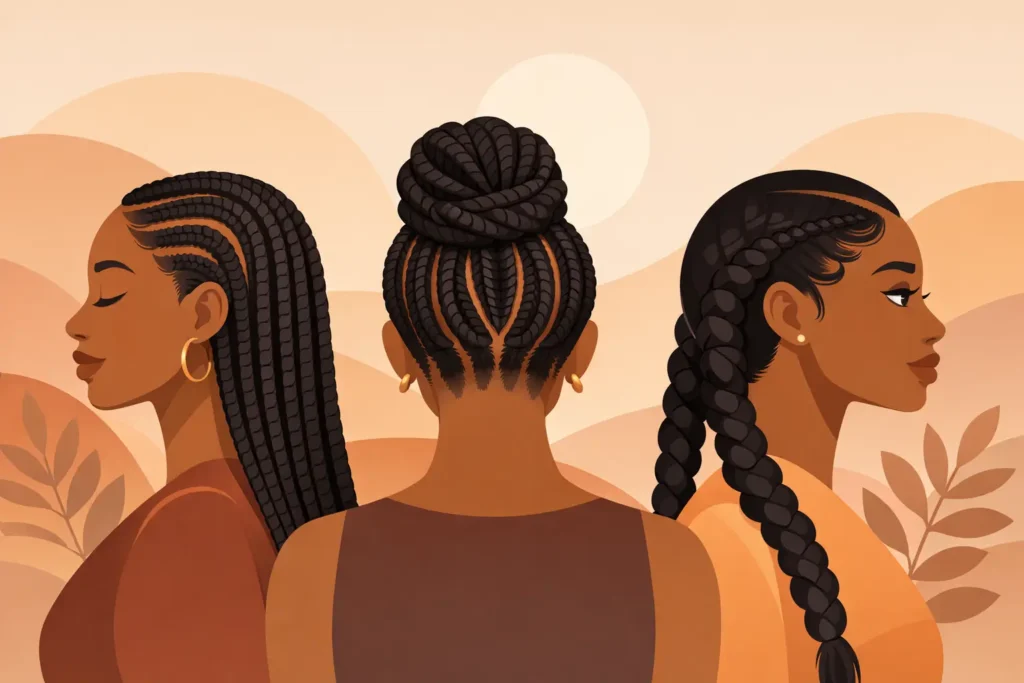
The wrong braid style can have you counting the days until takedown. The right one lets you walk out feeling polished, protected, and fully yourself. That is why protective braiding styles for natural hair are not just about looks. They are about tension, longevity, scalp comfort, and choosing a style that fits your real life.
For some clients, that means lightweight knotless braids that move easily and feel gentle from day one. For others, it means a fuller boho finish, a sleek twist style, or a statement look with face-framing detail. The best protective style is never one-size-fits-all. It should complement your texture, respect your edges, and still give you that show up and slay energy.
What makes protective braiding styles for natural hair actually protective?
A style is only protective if the installation supports your hair instead of stressing it. Neat parting matters. Clean sections matter. Most of all, proper tension matters. If braids are installed too tightly, even the prettiest look can lead to soreness, breakage, and thinning around the hairline.
That is the trade-off many people learn the hard way. Long wear and a crisp finish are important, but not at the expense of scalp health. A truly protective braid style should feel secure without feeling restrictive. You should not need pain to prove your style is fresh.
Hair prep also plays a role. Natural hair that is cleansed, detangled, and moisturized before braiding usually holds up better during wear and after takedown. Protective styling works best when it is part of a healthy routine, not a substitute for one.
The best braid styles depend on your goals
Some clients want maximum versatility. Some want the lightest possible feel. Some want vacation hair, office-ready hair, or a style that photographs beautifully for every event on the calendar. Your best option depends on what you value most.
Knotless braids for lightweight comfort
Knotless braids are one of the most requested protective styles for a reason. They start with your natural hair and feed in extension hair gradually, which creates a flatter, more natural look at the root. The feel is typically lighter than traditional box braids, especially in the first few days.
If your scalp tends to be sensitive, knotless styles are often a smart choice. They can still be long, full, and glamorous, but they usually put less stress on the base when installed properly. The only real catch is that technique matters a lot. Poorly done knotless braids can still slip, frizz early, or create uneven tension.
Bohemian and French curl braids for softness and movement
If you love braids with a romantic finish, bohemian braids and French curl styles give you texture, softness, and a more elevated feel. Loose curls woven through the style add movement and make the overall look feel less rigid than standard braids.
These styles are beautiful, but they do ask for a little more upkeep. Curly pieces can tangle if they are not maintained, and the look may need refreshing sooner than a sleeker braid pattern. Still, for many clients, that soft glam finish is worth it. It gives protective styling a more fashion-forward edge without giving up the benefits of braided structure.
Senegalese and island twists for a sleek finish
Twists are a strong option if you want a polished protective style with a different visual texture. Senegalese twists tend to have a smoother, rope-like appearance, while island twists often bring a softer, more dimensional look depending on the hair blend and finish.
Twists can be especially appealing for clients who want something elegant and easy to wear in buns, ponytails, or half-up styles. The trade-off is that some twist styles may frizz faster than braids, particularly if you are very active or exposed to humidity often. Good installation and nighttime care make a big difference here.
Fulani-inspired braids for face-framing detail
Fulani-inspired styles stand out because they combine beauty and design so well. The signature center braid, curved parting, beads, or side braids can frame the face in a way that feels custom and expressive.
This is a great choice if you want your protective style to make a statement while still being wearable day to day. It is especially flattering for clients who like detail around the front without committing to the same braid size all over. Because the style relies on precision, parting and braid placement have to be done carefully for the final look to feel balanced.
Classic box braids when you want versatility
Classic box braids still hold their place for a reason. They are versatile, familiar, and easy to style. You can wear them long or short, medium or jumbo, simple or dressed up.
If your priority is a reliable style that works for workdays, weekends, and everything in between, box braids remain a solid option. The key is making sure the size matches your hair density and desired wear time. Very small braids can last longer, but they also take more time to install and remove. Larger braids are quicker and lighter for some clients, but may not wear as long.
How to choose the right protective style for your natural hair
Start with your scalp sensitivity. If you know you are tender-headed or have had issues with tight installation in the past, say that upfront. A premium braid experience should include space for that conversation, because comfort is not a luxury. It is part of the service.
Next, think about your schedule. If you need a low-maintenance style for several weeks, a sleek braid or twist style may be easier to manage than something with lots of loose curl detail. If you do not mind a little extra care and want a softer, more glamorous finish, boho and curly styles may be the better fit.
Hair length and density matter too. Not every braid size or parting pattern will suit every head of hair the same way. A style that looks full and balanced on one person may feel too heavy or too sparse on another. Customization is where the difference shows.
That is part of what makes a polished braid appointment worth it. When the stylist pays attention to tension, sectioning, braid size, and overall harmony, you leave with more than a hairstyle. You leave with a look that feels intentional.
Caring for protective braiding styles for natural hair
Once your style is installed, aftercare keeps it looking fresh and helps protect your natural hair underneath. A clean scalp matters. Depending on your lifestyle, that may mean using a light scalp cleanser or carefully wiping the scalp between washes to reduce buildup.
Moisture matters too, but balance is everything. You want enough hydration to keep your hair and scalp comfortable without causing excess product buildup. Lightweight oils or braid-friendly moisture sprays can help, especially if your scalp tends to feel dry.
At night, wrap your braids or sleep with a satin bonnet or pillowcase. That step sounds small, but it helps reduce frizz and preserve the neatness of the style. If your edges are braided, be gentle around the hairline. Pulling styles too tight into buns or ponytails every day can cancel out the protective benefits.
The other part people overlook is takedown timing. Leaving braids in too long can lead to matting, tangling, and unnecessary shedding during removal. Protective styles work best within a healthy window, not when they are stretched far past their prime.
Beauty and protection should live in the same style
There is no reason to choose between a style that protects your natural hair and a style that makes you feel stunning. The best braids do both. They honor your hair, your comfort, and your personal style at the same time.
That is the standard at Braids by Blinky, and it is the standard every client should expect. Clean parts, scalp-friendly technique, polished results, and a finish that feels like you, only elevated. Because protective styling should never feel like settling. It should feel like stepping out with confidence, knowing every braid is working in your favor.
If you are deciding on your next look, start with what your hair needs and what you want to feel when you catch your reflection. The right style will meet you in both places.